
Choosing the correct type of gas and oil for your ATV is crucial to ensure optimal performance and longevity. Using the recommended fuel and oil not only keeps your ATV running smoothly but also helps prevent potential engine damage. In this guide, we will discuss the different factors to consider when selecting the right gas and oil for your ATV, including octane ratings, fuel requirements, and engine oil specifications.
Key Takeaways:
- Understanding the fuel type and octane rating required for your ATV is essential for optimal performance.
- Most ATVs require unleaded gasoline with a minimum octane number of 87, while some models may require higher octane fuel.
- It’s important to consider off-road fuel efficiency factors such as terrain, tire pressure, driving style, and engine temperature.
- Always consult the owner’s manual or manufacturer’s guidelines for the recommended fuel and oil specifications for your ATV.
- Follow proper fuel handling and safety precautions to prevent accidents and ensure a safe refueling process.
Fuel Requirements for Polaris Off-Road Vehicles
When it comes to fuel requirements, Polaris Off-Road Vehicles have specific guidelines that ensure optimal performance and longevity. Whether you own a Polaris ATV or UTV, it’s important to understand the fuel and oil specifications to keep your vehicle running smoothly.
Most Polaris Off-Road Vehicles, including ATVs and UTVs, require unleaded gasoline with a minimum octane rating of 87. This applies to popular models such as the Polaris Sportsman, Scrambler, and Ranger. However, it’s crucial to note that RZR Turbo and Pro XP models have higher octane requirements. These models require unleaded fuel with an octane rating of 91. Failing to use the proper fuel octane rating can result in decreased performance and potential engine damage.
In addition to octane rating, Polaris recommends avoiding fuel with an ethanol content greater than 10 percent. Ethanol, commonly found in some gasoline blends, can negatively impact engine performance and durability in off-road vehicles. It’s important to check the ethanol content before fueling up your Polaris ATV or UTV.
Furthermore, Polaris provides specific engine oil specifications for their vehicles. These specifications include the recommended oil type and viscosity to ensure proper lubrication and protection for your vehicle’s engine. It’s essential to refer to the owner’s manual or consult with a Polaris dealer to determine the appropriate engine oil for your specific model.
| Fuel Type | Octane Rating | Ethanol Content |
|---|---|---|
| Unleaded gasoline | 87 (for most models) 91 (for RZR Turbo and Pro XP models) |
Not more than 10% |
By following the fuel requirements and using the recommended engine oil specified by Polaris, you can ensure that your ATV or UTV operates at its best performance level and maintains its longevity. Remember to refer to the owner’s manual or consult with a Polaris dealer for any specific concerns or questions regarding fuel and oil for your Polaris Off-Road Vehicle.
Fuel Recommendations for Other ATV Brands
When it comes to fuel recommendations for ATV brands other than Polaris, it’s essential to consult the owner’s manual or manufacturer’s guidelines. Each ATV brand may have specific fuel requirements to ensure optimal performance and longevity. While most ATVs can run on unleaded gasoline with an octane rating of 87, certain models may require premium fuel with a higher octane rating.
In addition to the octane rating, it’s crucial to consider the specific engine oil specifications for your ATV brand. Using the recommended oil type and viscosity is vital for maintaining proper lubrication and protecting the engine against wear and tear.
Here’s an example of the recommended fuel and engine oil specifications for popular ATV brands:
| ATV Brand | Fuel Recommendation | Octane Rating | Engine Oil Recommendation |
|---|---|---|---|
| Honda | Unleaded gasoline | 87 | Recommended oil type and viscosity specified in the owner’s manual |
| Yamaha | Unleaded gasoline | 87 | Recommended oil type and viscosity specified in the owner’s manual |
| Suzuki | Unleaded gasoline | 87 | Recommended oil type and viscosity specified in the owner’s manual |
| Kawasaki | Unleaded gasoline | 87 | Recommended oil type and viscosity specified in the owner’s manual |
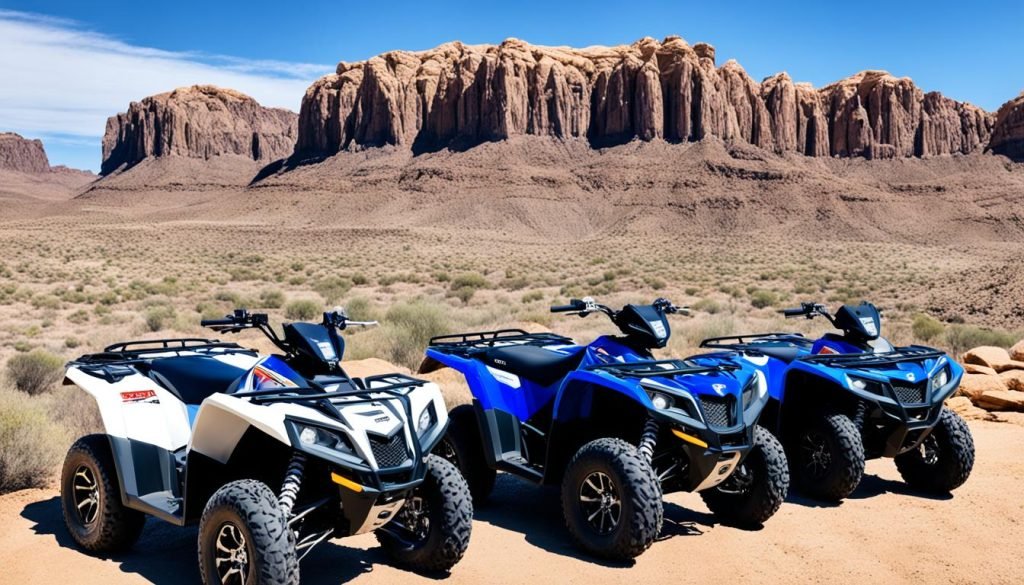
It’s important to note that these recommendations serve as general guidelines, and the exact specifications may vary depending on the specific ATV model and year. Always refer to the owner’s manual or manufacturer’s guidelines for the most accurate and up-to-date information.
By following the recommended fuel and engine oil specifications for your ATV brand, you can ensure optimal performance, protect your engine, and prolong the lifespan of your ATV.
Understanding Fuel Efficiency in ATVs and UTVs
Fuel efficiency plays a crucial role when considering an ATV or UTV purchase. Several factors influence fuel efficiency, including terrain type, vehicle weight, tire pressure, driving style, and engine temperature. It’s important to understand how these factors can impact fuel consumption and mileage.
When it comes to rough terrains and heavier vehicles, fuel efficiency tends to decrease. Increased resistance from uneven surfaces and added weight can result in higher fuel consumption. On the other hand, maintaining proper tire pressure can help optimize fuel efficiency. Underinflated tires create more rolling resistance, leading to increased fuel consumption. Conversely, properly inflated tires reduce resistance and improve fuel efficiency.
“Maintaining proper tire pressure is a simple yet effective way to enhance fuel efficiency in ATVs and UTVs.”
Driving style also affects fuel efficiency. Aggressive driving with rapid acceleration and high speeds can lead to increased fuel consumption. By adopting a controlled driving style that minimizes sudden bursts of acceleration and maintains moderate speeds, you can significantly improve fuel efficiency, saving both money and the environment.
Regular maintenance of the engine and other components is essential for optimal fuel efficiency. A well-maintained engine will operate more efficiently, consuming less fuel. It’s important to adhere to the vehicle manufacturer’s maintenance schedule, ensuring that filters, spark plugs, and other components are clean and in good working condition.
Another crucial factor to consider is the type of engine. Fuel-injected engines tend to be more fuel-efficient than carbureted engines. Fuel injection systems offer precise control over the fuel-air mixture, resulting in better combustion and improved fuel efficiency.
With proper attention to factors like terrain type, vehicle weight, tire pressure, driving style, and engine maintenance, you can maximize fuel efficiency in your ATV or UTV. By doing so, you not only save money on fuel consumption but also minimize your environmental impact while enjoying your off-road adventures.
Fuel-Efficient ATV Models for Outdoor Enthusiasts
When it comes to fuel efficiency, outdoor enthusiasts want to make the most out of their ATV rides while minimizing their environmental impact. Fortunately, there are several fuel-efficient ATV models available in the market today. These vehicles offer a winning combination of performance, durability, and fuel economy, ensuring a thrilling ride without sacrificing efficiency.
| ATV Model | Fuel Efficiency Rating |
|---|---|
| Arctic Cat Alterra TRV 700 | 30 MPG |
| Can-Am Outlander 450/570 | 35 MPG |
| Kawasaki Mule Pro-MX | 28 MPG |
| Honda Pioneer 700 | 32 MPG |
| Polaris Ranger 570 | 29 MPG |
These fuel-efficient ATVs are designed to provide exceptional mileage, allowing you to embark on long adventures without worrying about frequent refueling stops. Whether you’re exploring rugged terrains, conquering steep inclines, or traversing through dense forests, these models are built to deliver both efficiency and power.
Aside from their impressive fuel efficiency, these ATV models boast advanced features such as reliable engines, comfortable seating, and superior suspension systems. This ensures that you can enjoy a smooth and thrilling ride while minimizing your environmental impact.
To further enhance your ATV’s fuel efficiency, consider adopting good riding habits and maintaining your ATV regularly. This includes proper tire inflation, reducing unnecessary weight, and performing routine maintenance to keep your ATV in optimal condition.
By choosing a fuel-efficient ATV model and following best practices, you can have the ultimate off-road adventure without compromising on fuel economy.
Quote:
“These fuel-efficient ATV models offer a win-win solution for outdoor enthusiasts. With their impressive mileage and advanced features, riders can have exhilarating adventures while minimizing their carbon footprint.”
Whether you’re an avid trail rider or a weekend warrior, consider investing in a fuel-efficient ATV that fits your riding style and preferences. These models not only provide an eco-friendly way to explore the great outdoors but also save you money on fuel costs in the long run. So, get ready to hit the trails, embrace the adrenaline, and enjoy the fuel-efficient ride on your ATV!
Tips to Maximize Fuel Efficiency in ATVs and UTVs
To get the most out of your ATV or UTV’s fuel efficiency, follow these simple tips:
- Maintain Proper Tire Inflation: Ensure that your tires are properly inflated according to the manufacturer’s recommendations. Underinflated tires increase rolling resistance and can negatively impact fuel efficiency.
- Minimize Vehicle Weight: Remove any unnecessary items from your ATV or UTV to reduce weight. The lighter the vehicle, the less strain on the engine, leading to improved fuel efficiency.
- Manage Your Braking: Avoid excessive braking, as it can waste fuel. Instead, anticipate stops and gradually release the throttle to slow down, utilizing engine braking whenever possible.
- Avoid Excessive Speeding: Higher speeds can significantly reduce fuel efficiency. Maintain a moderate and consistent speed to maximize your ATV or UTV’s fuel mileage.
- Consider Using Fuel Additives: Fuel additives can help enhance combustion efficiency and improve fuel mileage. Look for additives specifically designed to increase fuel economy in off-road vehicles.
By implementing these tips, you can maximize the fuel efficiency of your ATV or UTV, saving money on fuel consumption while enjoying your off-road adventures.
Considerations for Off-Road Fuel Efficiency
When it comes to off-road fuel efficiency, several factors can influence the performance of your vehicle. By considering these factors and making informed decisions, you can optimize fuel economy and choose a fuel-efficient off-road vehicle that meets your needs.
Terrain Type
The type of terrain you encounter during off-road adventures can have a significant impact on fuel efficiency. Rough and challenging terrains, such as rocky or hilly trails, tend to decrease fuel efficiency as the vehicle requires more power to navigate through obstacles.
Vehicle Weight
The weight of your off-road vehicle plays a crucial role in fuel efficiency. Heavier vehicles require more energy to move, resulting in increased fuel consumption. Choosing a lightweight vehicle without compromising durability can help improve fuel economy.
Tire Pressure
The inflation level of your tires can affect fuel efficiency. Properly inflated tires minimize rolling resistance and improve overall vehicle performance. Regularly check and maintain the recommended tire pressure to optimize fuel economy.
Driving Style
Your driving style can significantly impact fuel efficiency. Aggressive acceleration, unnecessary idling, and excessive speeding can all lead to increased fuel consumption. Maintaining a controlled and moderate driving style can help improve fuel economy.
Engine Temperature
The temperature of your engine can affect fuel efficiency. Cold engines tend to consume more fuel during warm-up periods. To optimize fuel economy, allow your engine to warm up efficiently and avoid unnecessary idling.
Fuel Injection vs. Carbureted Engines
Off-road vehicles with fuel-injected engines generally offer better fuel efficiency compared to those with carbureted engines. Fuel injection systems are designed to deliver the precise amount of fuel required, resulting in improved combustion efficiency and reduced fuel consumption.
Having a fuel-efficient off-road vehicle not only helps you save on fuel costs but also reduces your environmental impact. By considering factors such as terrain type, vehicle weight, tire pressure, driving style, and engine type, you can make an informed choice when selecting an off-road vehicle that maximizes fuel economy.
The Impact of Fuel Type on ATV Performance
The choice of fuel type can have a significant impact on the performance of your ATV. Using the recommended fuel type with the correct octane rating is crucial for ensuring optimal engine performance and preventing potential engine damage.
Fuel with a higher octane rating than the recommended minimum may not necessarily result in performance gains, but it won’t harm the engine either. However, using fuel with a lower octane rating than what is recommended can have negative consequences, including engine knocking and reduced overall performance.
It’s important to carefully follow the manufacturer’s recommendations for fuel type and octane rating to maintain the best possible ATV performance. By doing so, you can ensure that your ATV operates at its peak level and delivers the power and responsiveness you expect.
Remember, using high-quality fuel and adhering to the proper octane rating not only keeps your ATV running smoothly but also helps prolong the longevity of your engine.
Recommended ATV Fuel Types and Octane Ratings
| ATV Brand | Recommended Fuel Type | Recommended Octane Rating |
|---|---|---|
| Polaris | Unleaded gasoline | Minimum 87 octane (91 octane for Turbo and Pro XP models) |
| Arctic Cat | Unleaded gasoline | Minimum 87 octane |
| Can-Am | Unleaded gasoline | Minimum 87 octane |
| Kawasaki | Unleaded gasoline | Minimum 87 octane |
| Honda | Unleaded gasoline | Minimum 87 octane |
Always refer to the owner’s manual or consult the manufacturer’s guidelines to determine the specific fuel requirements for your ATV brand and model.
Fuel Safety Tips for ATV Owners
When it comes to handling fuel for your ATV, safety should always be your top priority. By following these fuel safety tips, you can ensure a safe and enjoyable riding experience.
1. Refuel Outdoors or in a Well-Ventilated Area
Always refuel your ATV in a well-ventilated area or outdoors to avoid the buildup of potentially harmful fumes. This helps minimize the risk of inhaling toxic gases and prevents the accumulation of flammable vapors.
2. Turn Off the Engine during Refueling
Prior to refueling your ATV, always make sure to turn off the engine. This helps prevent accidental ignition and reduces the risk of fire or explosion. Keep your ignition key out of the ignition throughout the entire refueling process.
3. No Smoking or Open Flames
Never smoke or allow open flames near the refueling area. Gasoline is highly flammable, and even a small spark can cause a dangerous fire. Keep your ATV away from sources of ignition, such as cigarettes, matches, or lighters.
4. Avoid Overfilling the Tank
Do not overfill the fuel tank of your ATV. Overfilling can lead to fuel spills, which can be hazardous and increase the risk of fire. Follow the manufacturer’s recommendations for fuel capacity, and use caution when filling the tank to avoid spills.
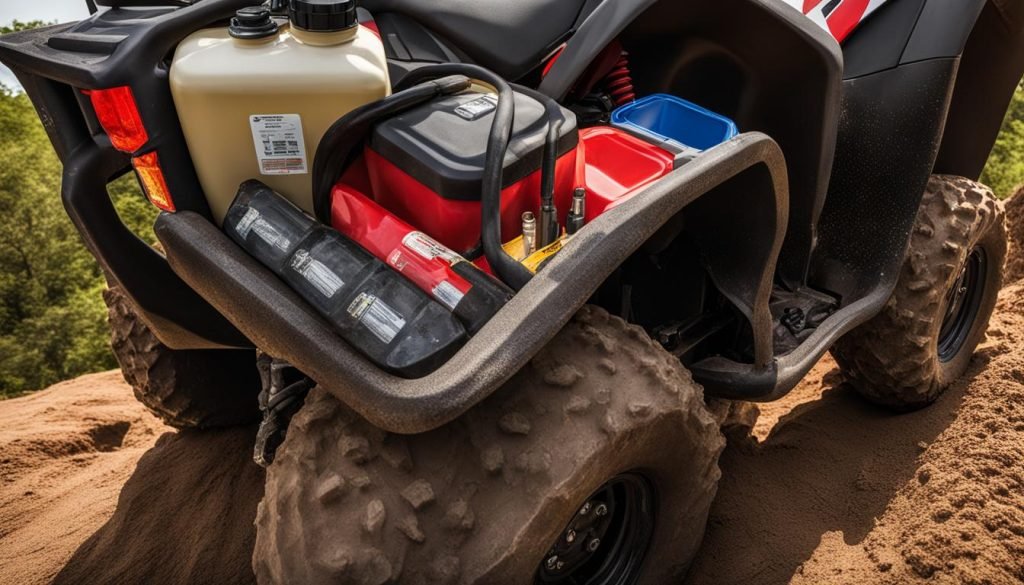
5. Do Not Carry Fuel or Flammable Liquids in the Vehicle
Avoid carrying extra fuel or any other flammable liquids inside your ATV. This minimizes the risk of leakage or spillage, which can create a hazardous situation. Store fuel and other flammable substances in approved containers and transport them separately from your ATV.
6. Wash Off Spilled Fuel Immediately
If you accidentally spill fuel while refueling, it’s important to clean it up immediately. Spilled fuel is highly flammable and can ignite easily, posing a significant risk. Use a absorbent material, such as cat litter or sand, to soak up the fuel, and dispose of it properly.
Remember, safety is paramount when handling fuel for your ATV. By following these fuel safety tips, you can protect yourself, others, and your vehicle from potential accidents or injuries.
Conclusion
Choosing the right type of gas and oil for your ATV is crucial to ensure optimal performance and longevity. Always consult the manufacturer’s guidelines and follow the recommended fuel requirements for your specific ATV model. Taking into account factors such as octane rating, fuel type, and fuel additives can also help maximize fuel efficiency and reduce overall costs.
By adhering to these recommendations and practicing proper fuel handling and safety precautions, you can enjoy a smooth and powerful ride on your ATV. It is important to refuel your ATV in well-ventilated areas, turn off the engine during refueling, and avoid overfilling the tank. Additionally, avoid carrying fuel or other flammable liquids in the vehicle and promptly clean up any fuel spills to prevent accidents and maintain a safe riding environment.
Remember, your ATV’s performance and longevity largely depend on the fuel you use. So, make sure to choose the right type of gas and oil, follow the guidelines, and take the necessary precautions to ensure a great riding experience every time. With proper care, your ATV will continue to be your reliable companion on exciting off-road adventures for years to come.
FAQ
What type of gas and oil should I put in my ATV?
The specific gas and oil requirements for your ATV will depend on the manufacturer’s recommendations. It’s important to refer to the owner’s manual or manufacturer’s guidelines for the correct fuel type, octane rating, and oil specifications.
What are the fuel requirements for Polaris Off-Road Vehicles?
Most Polaris Off-Road Vehicles require unleaded gasoline with a minimum pump octane number of 87. RZR Turbo and Pro XP models require unleaded fuel with an octane number of 91. The fuel should have an ethanol content of no more than 10 percent. Always use caution and follow safety precautions when handling gasoline.
What are the fuel recommendations for other ATV brands?
Different ATV brands may have varying fuel recommendations. It’s crucial to consult the owner’s manual or manufacturer’s guidelines for the specific fuel requirements of your ATV. In general, most ATVs can run on unleaded gasoline with an octane rating of 87. However, some models may require premium fuel with a higher octane rating.
How can I maximize fuel efficiency in my ATV or UTV?
To maximize fuel efficiency in your ATV or UTV, it’s important to maintain proper tire inflation levels, minimize vehicle weight, manage your braking, avoid excessive speeding, and consider using fuel additives. These simple tips can go a long way in maximizing your ATV or UTV’s fuel efficiency and saving money on fuel consumption.
What are some fuel-efficient ATV models available in the market?
Some fuel-efficient ATV models available in the market include the Arctic Cat Alterra TRV 700, Can-Am Outlander 450/570, Kawasaki Mule Pro-MX, Honda Pioneer 700, and Polaris Ranger 570. These vehicles offer a balance of performance, durability, and fuel economy, making them ideal for outdoor enthusiasts who want to maximize their fuel efficiency while enjoying off-road adventures.
What factors can affect off-road fuel efficiency?
Off-road fuel efficiency can be influenced by factors such as terrain type, vehicle weight, tire pressure, driving style, and engine temperature. Rough terrains and heavier vehicles tend to decrease fuel efficiency, while properly inflated tires, controlled driving style, and well-maintained engines can improve fuel efficiency. Off-road vehicles with fuel-injected engines also tend to be more efficient than those with carbureted engines.
Does the fuel type impact ATV performance?
The choice of fuel type can have an impact on ATV performance. Using the recommended fuel type with the correct octane rating ensures optimal engine performance and prevents engine damage. It’s important to follow the manufacturer’s recommendations for fuel type and octane rating to maintain the best possible ATV performance.
What are some fuel safety tips for ATV owners?
When handling fuel for your ATV, it’s important to exercise caution and follow safety precautions. This includes refueling outdoors or in a well-ventilated area, turning off the engine during refueling, not smoking or allowing open flames near the refueling area, and not overfilling the tank. Following these safety tips helps prevent accidents and keeps you safe while refueling your ATV.
How can I choose the right gas and oil for my ATV?
It’s essential to consult the owner’s manual or manufacturer’s guidelines to determine the correct gas and oil for your ATV. Follow the recommended fuel type, octane rating, and oil specifications to ensure optimal performance and longevity of your ATV.
Leave a Reply