
You will find that loading your ATV for transport can be a straightforward process when done correctly. Ensuring your ATV is securely loaded is vital to prevent accidents during transit. This guide will walk you through the steps needed to safely load your vehicle onto a trailer or truck, so you can hit the road with confidence. By following these vital tips, you’ll avoid potential damage and guarantee a smooth journey. Let’s look into the practical steps of loading your ATV efficiently and safely.
Understanding the Basics of ATV Transport
Your ATV requires careful handling during transport to ensure its safety and performance. Learn more about How to Transport an ATV With a Trailer to equip yourself with the crucial knowledge.
Importance of Proper Loading
An improper loading of your ATV can lead to accidents or damage during transport. Ensuring your ATV is secure minimizes the risk of it shifting or falling, which can cause harm to both the vehicle and other road users. By loading it correctly, you protect your investment.
Types of Trailers for ATV Transport
One way to transport your ATV safely is to choose the right type of trailer. Here are common options:
| Type of Trailer | Features |
| Utility Trailers | Versatile; can carry multiple ATVs |
| Enclosed Trailers | Protects against weather; secured storage |
| Single ATV Trailers | Designed for one ATV; compact and easy to handle |
| Car Hauler Trailers | Heavy-duty; suitable for larger models |
| Motorcycle Trailers | Stabilized for transport; suitable for smaller ATVs |
Types of trailers play a significant role in keeping your entire setup secure during transport. When choosing a trailer, consider the size and weight of your ATV to ensure compatibility. Additionally, factor in features such as loading ramps and secure tie-down points. Flexibility in your choice allows accommodating various off-road vehicles. The variety of trailers ensures that you find one that meets your specific needs.
- Utility Trailers provide versatility for multiple vehicles.
- Enclosed Trailers protect against adverse weather conditions.
- Single ATV Trailers are compact and easy to navigate.
- Car Hauler Trailers support larger models.
- Motorcycle Trailers cater to smaller ATVs efficiently.
How-To Load Your ATV Safely
One of the key factors to loading your ATV safely is to ensure you have a clear plan in place before beginning the process. Start by choosing a flat and stable surface to load your vehicle. Check that your ramps are secure and in good condition, as any slips could lead to accidents. Always engage the parking brake on your ATV and keep the engine off while loading. This will help maintain control during the loading process, enhancing your safety.
Preparing Your ATV for Transport
With proper preparation, you can significantly reduce the risk of any mishaps while loading your ATV. Begin by removing any accessories or loose items that could shift during transport. Ensure your fuel tank is not filled to the brim, as this will minimize the weight and reduce the chances of a spill. Finally, double-check that your tire pressure is at the right level, as under-inflated tires can make loading less stable.
Using Ramps Effectively
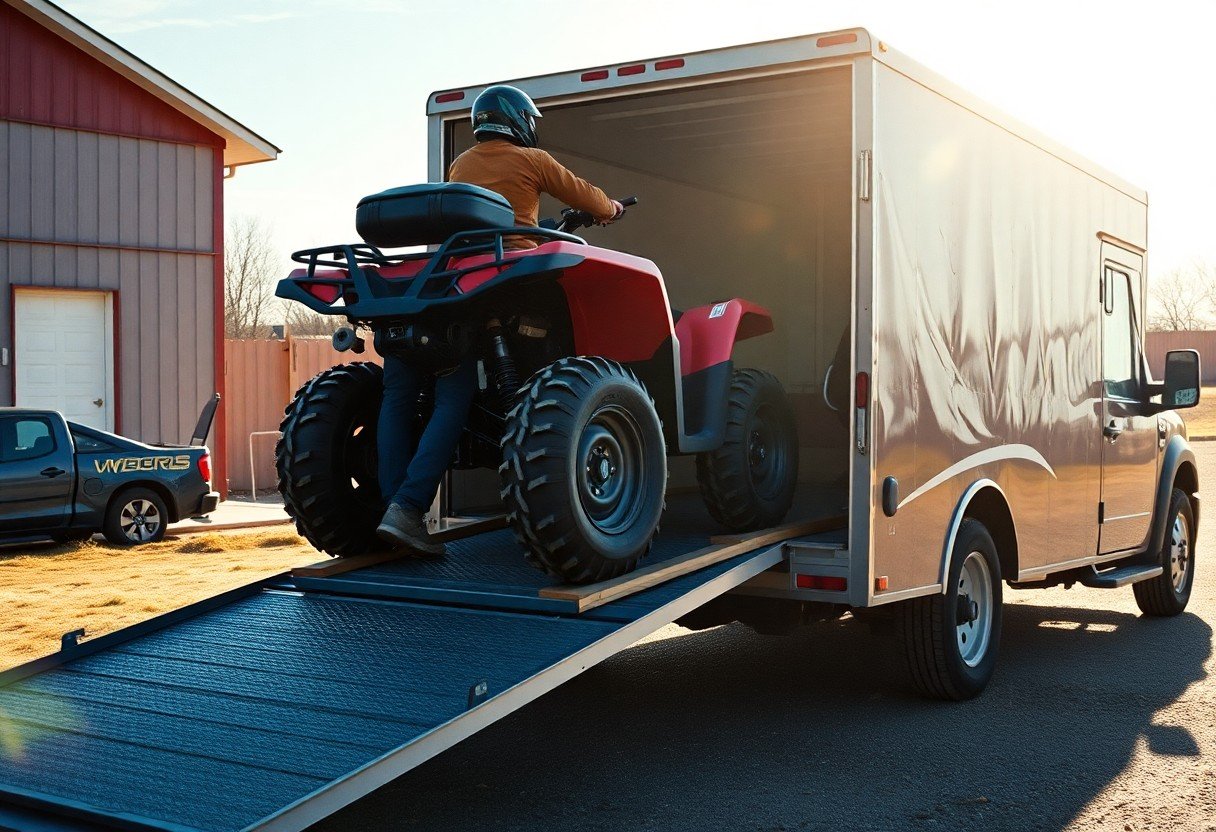
Clearly, using ramps correctly is crucial for loading your ATV safely onto a trailer. Always position the ramps securely against the trailer, ensuring there is no gap between the ATV and the ramps. This helps to prevent your ATV from slipping during the loading process.
This means ensuring the ramps are rated for your ATV’s weight capacity, as using inadequate ramps can lead to accidents. Always secure the ramps with rubber straps or tie-downs to prevent movement. As you guide your ATV up the ramps, maintain a steady pace, and avoid sudden acceleration. Always keep both hands on the handlebars for better control, and when possible, have someone assist you to provide a clear line of sight and support. Following these guidelines will promote a safer loading experience and protect both you and your ATV.
Essential Tips for a Smooth Loading Experience
Some practical tips can make a significant difference in your ATV loading experience. To ensure smooth transport, consider these key points:
- Ensure your ATV is in good working condition
- Use a high-quality loading ramp
- Check the weather conditions beforehand
- Utilize a spotter if possible
- Practice loading and unloading in a safe environment
Perceiving these tips can enhance your loading process and help prevent accidents.
Checking Weight Distribution
You should always check the weight distribution of your ATV when loading it onto a trailer. Proper balance is vital for safe transport, which helps prevent swaying or tipping during transport. Make sure the weight is evenly spread to promote stability. If necessary, adjust your ATV’s position on the trailer, moving it forward or backward to achieve that ideal weight distribution.
Securing Your ATV Properly
Securing your ATV is a critical step that should not be overlooked.
Loading your ATV securely involves using strong, reliable tie-down straps that can withstand the vibrations and movements on the road. Harness your ATV with ratchet straps, looping them around sturdy points. Ensure that they are both tight enough to hold your ATV in place but not so tight that they cause damage. Use multiple straps—one for the front and one for the rear at least, and always check their tension before hitting the road. A well-secured ATV mitigates the risk of accidents and damage during transport.
Factors to Consider Before Transporting Your ATV
Many aspects play a role in safely transporting your ATV, including the type of trailer, vehicle capacity, and the terrain of your destination. Consider the following:
- Weight of your ATV
- Dimensions of your trailer
- Vehicle towing capacity
- Weather conditions for your journey
Assume that proper planning and adherence to these factors will ensure a smoother transport experience. For more insights, check out The Ultimate Guide to Hauling Your ATV.
Vehicle and Trailer Compatibility
On ensuring you have the right vehicle and trailer for your ATV, assess the compatibility of both units. Your vehicle should provide adequate towing capacity, while your trailer must have sufficient space and weight rating to accommodate your ATV comfortably. A proper fit not only promotes safety but also enhances the driving experience on the road.
Weather Conditions Affecting Transport
You must consider how weather conditions could impact your transport journey. Adverse conditions can affect visibility, traction, and overall safety during your ride to your destination.
For instance, rain and snow can make roads slippery, increasing stopping distances and the risk of accidents. High winds may also pose problems, especially on elevated highways or bridges, where your trailer’s sway can become dangerous. In contrast, a sunny day might provide smoother travel conditions but be cautious of overheating your loaded ATV. Always check the weather forecast before loading and ensure you take appropriate steps to secure your vehicle and trailer during transit.
Common Mistakes to Avoid When Loading
Now that you understand the basics of loading your ATV, it’s crucial to be aware of common mistakes that can lead to accidents or damage. By avoiding these pitfalls, you ensure a safe and efficient loading process, protecting both your vehicle and yourself.
Rushing the Process
Any attempt to rush the loading process can result in critical errors. Take your time to ensure that you are doing everything correctly, as hurried actions often lead to oversight and accidents.
Ignoring Safety Precautions
Loading your ATV without adhering to safety precautions can lead to serious injuries and damage to your equipment.
The importance of wearing protective gear, such as gloves and a helmet, cannot be overstated when loading your ATV. Ensure that your loading ramp is properly secured and free from obstructions. Failing to do so puts you at risk of slips and falls, possibly resulting in severe injuries. Additionally, always engage the brakes of your ATV and use tie-down straps to keep it stable during transport. Prioritize your safety to create a secure loading environment.
Maintenance Tips for Your ATV After Transport
Despite the excitement of your recent riding experience, it is vital to perform a few maintenance tasks to ensure your ATV remains in top condition. To keep your vehicle running smoothly, consider the following tips:
- Check the tires for proper pressure and wear.
- Inspect all fluids including oil and coolant levels.
- Clean the air filter and inspect it for dirt buildup.
- Examine the suspension components for signs of damage.
Any maintenance you perform will contribute to the longevity of your ATV.
Inspecting for Damage
Now is the time to carefully assess your ATV for any visible signs of damage sustained during transport. Look for scratches, dents, or any components that appear misaligned. Don’t forget to check the lights and brake functions to ensure they work correctly. A little diligence now can save you from more significant issues later.
Routine Maintenance Checks
Routine maintenance checks are vital for your ATV’s performance and safety. Regular inspections can help you identify minor issues before they become serious problems. It’s wise to inspect the battery connections, chain tension, and brake pads regularly. Adjustments made now can prevent costly repairs down the line.
With routine checks, you can keep your ATV operating at peak efficiency. Pay close attention to the oil levels and change them according to the manufacturer’s guidelines. Inspect the spark plug and replace it if necessary, as a faulty plug can lead to decreased performance. Ensuring that your ATV is clean and free of debris, especially after transport, will enhance its reliability and your overall safety on the trails.
To wrap up
Summing up, loading your ATV for transport is a straightforward process that, when done correctly, ensures both your safety and the longevity of your vehicle. By following proper techniques such as using the right ramps, securing your ATV with tie-downs, and checking weight distribution, you can confidently prepare for your journey. Make sure you take the time to inspect your equipment and follow these guidelines for a smooth transport experience. This handy guide equips you with the knowledge to load your ATV efficiently each time you hit the road.
Leave a Reply