
Beginner ATV riders often face challenges when navigating rough terrain. In this guide, you will learn vital techniques to enhance your riding skills and maintain control over your vehicle, even in the most demanding conditions. Understanding how to handle obstacles like rocks, mud, and steep inclines will not only build your confidence but also ensure your safety while having fun. Get ready to explore your surroundings with newfound ability and take on any trail that comes your way!
Understanding Your ATV
To effectively navigate your ATV in rough terrain, it’s crucial to grasp what an ATV is and how it operates. All-Terrain Vehicles (ATVs) are powerful off-road vehicles designed for versatility and performance. Understanding various features will help you maximize your experience while ensuring safety on challenging landscapes.
Types of ATVs
To choose the right ATV for your needs, it’s vital to know the different types available. Each type offers unique capabilities suited for specific terrains and rider preferences.
| Sport ATVs | Lightweight and built for speed. |
| Utility ATVs | Designed for work, featuring towing capabilities. |
| Recreational ATVs | Ideal for casual riding and trails. |
| Side-by-Side ATVs | Offer seating for multiple passengers. |
| Electric ATVs | Environmentally friendly, quiet operation. |
Assume that understanding these types will lead you to the right choice for your riding adventures.
Key Features of ATVs
Your ATV’s effectiveness is dictated by its features, which you should familiarize yourself with. Key features enhance performance, comfort, and safety during your rides.
- Suspension System – Ensures a smooth ride over rough surfaces.
- Engine Power – Determines speed and hill-climbing ability.
- Braking System – Vital for safe stopping in various conditions.
- Wheels and Tires – Affects traction and handling on diverse terrains.
- Storage Capacity – Important for carrying gear on longer trips.
Any feature you choose affects your riding experience significantly.
Types of ATVs come equipped with various key features tailored for different riding activities. Evaluating and understanding these characteristics ensures you select an ATV that fits your style and the terrain you plan to navigate.
- Ergonomic Design – Enhances rider comfort during long journeys.
- Four-Wheel Drive – Offers better stability and grip on uneven ground.
- Adjustable Seat – Accommodates various rider sizes for improved comfort.
- Headlights – Increases visibility during nighttime journeys.
- GPS System – Assists in navigation through unfamiliar areas.
Any addition you make based on these features can greatly influence your performance and enjoyment on different terrains.
ATVs are versatile machines that cater to various riding preferences and environmental challenges. Utilizing the right type and understanding the crucial features will greatly enhance your off-road experiences. Whether you prioritize speed, utility, or comfort, knowing these aspects will ensure safe and enjoyable rides.
Assessing Terrain Conditions
Clearly, evaluating the terrain conditions is necessary before begining on your ATV adventure. Understanding various aspects of the landscape allows you to make informed decisions while navigating, reducing the risk of accidents and enhancing your ride experience. Take a moment to analyze the ground’s surface, incline, and any potential hazards that may lie ahead.
Soft vs. Hard Ground
Conditions play a significant role in how your ATV performs. Soft ground, like mud or sand, can cause your vehicle to sink or lose traction, making control challenging. Conversely, hard ground offers better stability, allowing for more precise maneuvering. Always assess the terrain type to tailor your driving technique appropriately.
Recognizing Obstacles
One of the most important skills for navigating rough terrain is identifying obstacles that could cause problems. Watch for loose rocks, tree roots, or sudden drops that may appear unexpectedly. Being vigilant helps you avoid accidents and ensures a smoother ride.
Assessing the landscape for potential obstacles like fallen branches, deep ruts, or uneven surfaces is vital for your safety. These hazards can significantly impact your ATV’s performance, potentially leading to loss of control or damage to your vehicle. Always be on the lookout for environmental changes, and use your judgment to navigate around or over including steep inclines or water crossings, ensuring that you maintain full control of your ATV at all times.
Essential Riding Techniques
It’s important to develop the right riding techniques to successfully navigate rough terrain on your ATV. Understanding how to manage your vehicle is a key factor in ensuring a safe and enjoyable experience. For more insights, check out these 7 ATV Riding Tips for Beginners: How To Get Started.
Body Positioning
While riding, your body position plays a significant role in maintaining balance and stability on uneven surfaces. Keep your knees and elbows slightly bent, and lean forward while standing to lower your center of gravity. This stance allows you to absorb shocks from the terrain and react better to sudden changes in traction.
Throttle Control
Assuming you have a good grasp of throttle control, it can make a significant impact on your riding experience. The throttle affects your speed and traction, especially on challenging paths. Properly controlling it allows you to navigate through obstacles efficiently while maintaining stability.
A controlled throttle response avoids spinning your wheels in slippery situations, helping maintain traction and control. It’s important to apply the throttle gradually when accelerating, especially on steep inclines or loose surfaces. Reducing your speed can prevent unwanted power slides and ensure you stay on track when descending or maneuvering sharp turns. In short, mastering throttle control enhances your ability to adapt to varying terrains, keeping both you and your ATV safe.
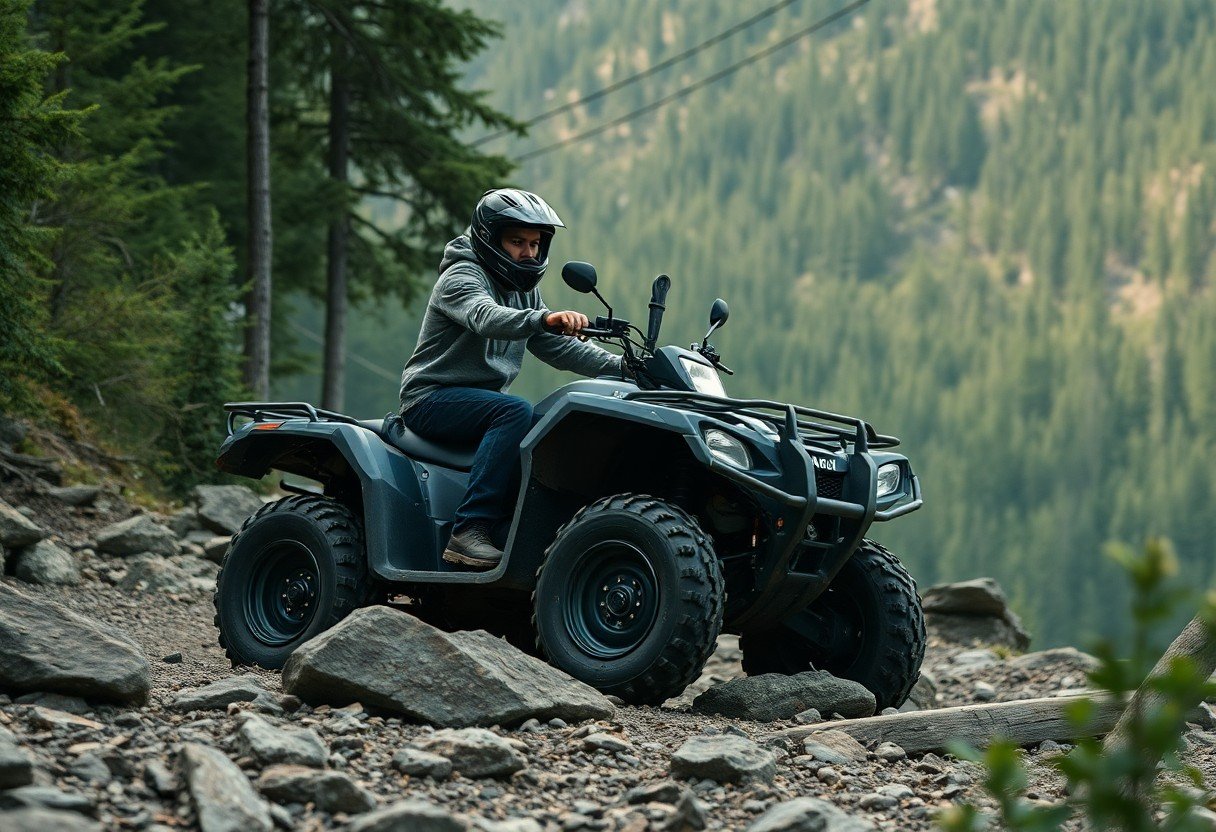
Navigating Challenging Terrain
Many riders find themselves tackling rough and unpredictable landscapes when operating their ATV. To navigate through challenging terrain effectively, it’s imperative to maintain control while adjusting your speed and using the right techniques for each specific situation. Whether you’re dealing with steep hills, rocky paths, or muddy trails, staying aware of your surroundings and anticipating obstacles will enhance your overall riding experience and safety.
Hill Climbing Strategies
Little adjustments can make a big difference when climbing hills on your ATV. Always approach a hill straight on to evenly distribute your weight, and use a steady throttle to maintain momentum. Lean slightly forward to increase traction and avoid rolling backwards. Keep your feet firmly planted on the footrests for added stability.
Water Crossing Tips
Now that you’re ready to face water crossings, it’s imperative to assess the conditions before you proceed. Check the flow and depth of the water, and choose a spot where the current appears weaker. As you cross, maintain a steady pace and keep your weight centered to prevent tipping. Some key tips include:
- Choose a crossing point that looks stable.
- Keep your ATV in a low gear.
- Watch for hidden obstacles beneath the surface.
This will help ensure a safe crossing. You want to avoid sudden splashes or jerking movements that could destabilize your ATV.
Navigating water crossings can be tricky, as strong currents and hidden rocks can pose significant risks. Always approach water with caution, gauging the strength and depth before attempting to cross. Maintain a steady throttle for the best control, and be cautious of sudden changes in water flow. Some helpful recommendations include:
- Know your ATV’s water fording capabilities.
- Inspect the bottom before crossing.
- Cross only in small groups to avoid accidents.
This approach ensures your safety and keeps your ATV functioning effectively through rough aquatic conditions.
Safety Precautions
Your safety is paramount when navigating your ATV in rough terrain. Always conduct a thorough check of your vehicle before heading out and ensure that you’re familiar with all its features. Avoid risky maneuvers, travel at a safe speed, and stay within designated trails. It’s also advisable to ride with others when possible, as this can significantly boost your safety in case of an emergency.
Proper Gear and Equipment
For a safe riding experience, wearing the right gear is important. Equip yourself with a DOT-approved helmet, goggles, gloves, long sleeves, and sturdy boots. Additionally, consider using knee and elbow pads for added protection against falls. Ensuring that your ATV is well-maintained and properly outfitted for rugged conditions will elevate your safety while enhancing your overall riding experience.
Risk Awareness
For successful navigation through rough terrain, understanding the potential risks is key. Being aware of your surroundings, such as steep inclines, slippery surfaces, and hidden obstacles, can help you anticipate challenges. Additionally, adjusting your riding technique based on weather conditions and terrain is important to avoid accidents.
Gear up with focused attention on hazards that could turn a fun ride into a dangerous situation. You should be especially cautious of loose rocks, muddy patches, and steep drops. Use your body weight effectively to maintain balance and control. Always keep an eye on other riders and be ready to react if situations change. Awareness of your limits and the risks presented by the environment will empower you to make better choices while riding, ensuring that you have a positive and safe ATV experience.
Maintenance Considerations
Despite the rugged nature of ATVs, regular maintenance is crucial for ensuring your vehicle performs well on rough terrain. Failing to keep up with maintenance can lead to unexpected breakdowns during your adventures. Familiarize yourself with routine checks and repairs to extend your ATV’s lifespan and enhance your riding experience. For a comprehensive understanding, consult the Beginner’s Guide to ATV & UTV Trail Riding.
Pre-Ride Checklist
Clearly, before you head out, you should conduct a pre-ride inspection of your ATV. Check the oil, fuel levels, tire pressure, and brakes to ensure everything is in working order. This practice not only enhances safety but also helps you identify potential issues that could hinder your ride.
Post-Ride Care
For your ATV to remain in optimal condition, post-ride care is just as important as pre-ride checks. Make sure to clean your vehicle thoroughly, removing dirt and debris, as these can cause premature wear. Inspect the tires, chain, and brakes for any signs of damage, and address them promptly to prevent future issues.
With proper post-ride care, you minimize the risk of costly repairs and maximize your ATV’s performance and safety. Inspecting for wear and tear after each ride can help catch potential problems early. Don’t skip washing your ATV, especially after navigating muddy or sandy trails, as residue can lead to rust and degradation. Maintaining your ATV diligently paves the way for a long-lasting riding experience you can enjoy for years to come.
Conclusion
Now that you have a foundational understanding of how to navigate your ATV in rough terrain, you can confidently tackle various environments. Focus on mastering the techniques discussed, such as adjusting your speed, maintaining balance, and reading the landscape. With practice, you’ll enhance your skills and build your confidence, allowing you to enjoy your off-road adventures to the fullest. Get out there and embrace the excitement of the great outdoors with your ATV!
Leave a Reply