
You want the best protection for your adventures, especially during cold weather riding. Choosing the right ATV helmet is vital for your comfort and safety in chilly conditions. In this guide, we will explore some of the top ATV helmets that can keep you warm and protected, ensuring a great ride no matter the weather. To get started, check out these quality Snow Helmets – ATV/UTV that are ideal for winter adventures.
Types of Cold Weather ATV Helmets
While choosing a helmet for cold weather riding, it’s crucial to consider various types that offer different levels of protection and comfort. You may find options that suit your riding style and climate preferences. Here are the main types of cold weather ATV helmets:
- Full-Face Helmets
- Modular Helmets
- Open-Face Helmets
- Half Helmets
- Snowmobile Helmets
Knowing the characteristics of each helmet type can help you select the best fit for your needs.
| Full-Face Helmets | Offers maximum protection, covering the entire head including the face. |
| Modular Helmets | Feature a flip-up front for versatility between full and open-face use. |
| Open-Face Helmets | Provide a wide field of vision but less face protection. |
| Half Helmets | Minimal coverage, primarily for casual or warm weather riders. |
| Snowmobile Helmets | Designed specifically for extreme cold and snowy conditions. |
Full-Face Helmets
To ensure complete protection during your cold weather rides, you might consider a full-face helmet. This type covers your entire head and face, offering unparalleled safety against harsh winds and debris. Additionally, many models come with insulation and warmth-retaining materials, keeping you cozy while riding. Look for those with a fog-resistant visor to maintain clear visibility in cold conditions.
Modular Helmets
On the other hand, modular helmets provide you with flexibility. These helmets have a front that can be flipped up, making it easy to switch between full-face and open-face configurations. This is ideal for when you need a quick break or want to enjoy some fresh air while still enjoying significant protection. Modular helmets often include winter-specific features such as breath guards and enhanced insulation.
Helmets of this type typically have a well-padded interior, which not only enhances comfort but also acts as an insulating layer against the cold. Many modular helmets are designed with advanced ventilation systems, allowing you to manage air circulation without compromising protection. This makes them a versatile option for riders who frequently transition between different weather conditions.
Open-Face Helmets
Weather can be unpredictable, so having an open-face helmet might suit your riding preferences. This type of helmet offers a broader field of vision, improving awareness of your surroundings. However, while they provide better airflow, they don’t offer full face protection against cold air and potential impacts.
Helmets under this category often come equipped with winter visors and ear covers to help you retain heat during chilly rides. Additionally, many open-face helmets are lightweight and comfortable for leisurely rides. However, if you decide to go with this type, consider pairing it with extra face protection, such as a balaclava or face shield, to enhance warmth and safety.
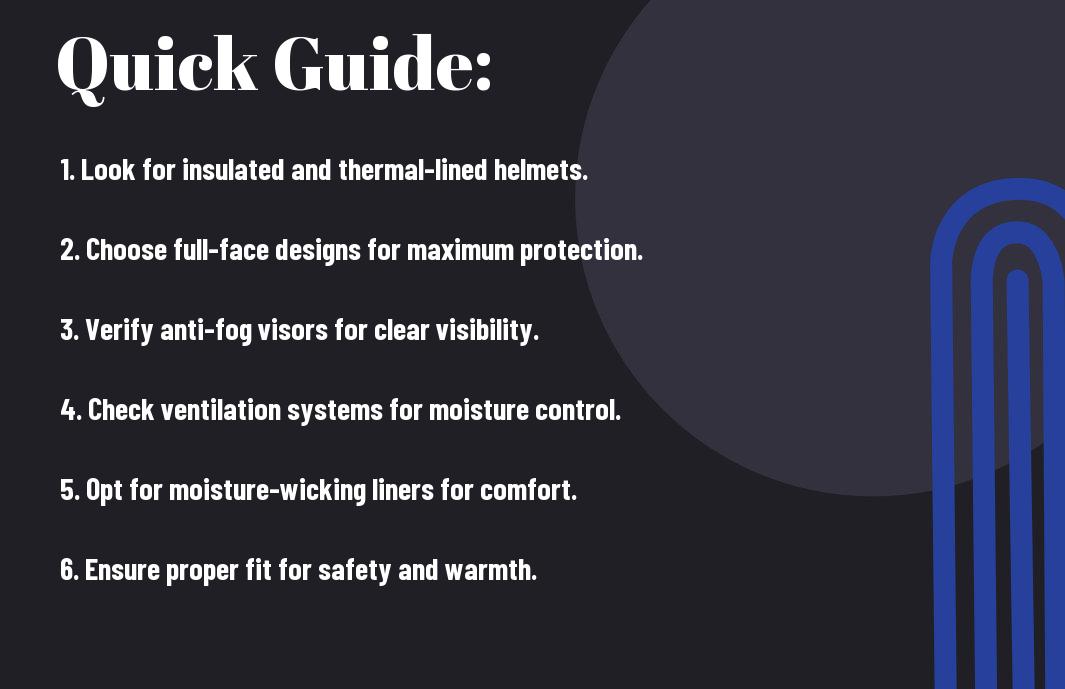
Tips for Choosing the Right ATV Helmet for Cold Weather
Some key factors to consider when selecting an ATV helmet for cold weather include:
- Insulation and lining materials
- Ventilation systems
- Face shield compatibility
- Fit and comfort
- Weatherproof features
This will ensure you stay warm and safe on your rides.
Insulation and Lining
You should look for helmets with high-quality insulation and soft lining materials designed for cold weather. Helmets that feature thermal liners will provide added warmth, while removable liners can facilitate cleaning and allow for customization of insulation based on your preferences.
Ventilation Systems
The right ventilation system is important for maintaining comfort during your cold weather rides. A helmet with adjustable vents allows you to control airflow, keeping you warm without causing overheating when you exert yourself.
Another aspect to consider is that some helmets come equipped with breath guards and anti-fog features, which can prevent your visor from fogging up during colder temperatures. This is especially helpful when you’re riding for extended periods, ensuring that your visibility remains clear for safety and enjoyment.
Step-by-Step Guide to Fitting Your ATV Helmet
To ensure your safety and comfort while riding in cold weather, properly fitting your ATV helmet is vital. Follow these simple steps to get the right fit:
| Step | Action |
| 1 | Measure your head size. |
| 2 | Choose the correct helmet size based on measurements. |
| 3 | Adjust the interior padding and fit. |
| 4 | Securely adjust straps for a snug fit. |
Measuring Your Head
Little preparation goes a long way when measuring your head for the perfect ATV helmet fit. Use a soft measuring tape to find the circumference of your head, just above the eyebrows and around the largest part. Make sure the tape is snug but not too tight, as this will give you the most accurate measurement. Record your size and refer to the helmet’s sizing chart to identify your ideal fit.
Adjusting Straps and Padding
One of the keys to a secure and comfortable helmet fit is adjusting the straps and padding appropriately. The straps should form a “V” shape just below your ears and should be snug but not uncomfortably tight, allowing you to speak and breathe easily. The padding inside the helmet is designed to help with the fit and eliminate movement. You can add or remove padding as needed to achieve that perfect fit.
Adjusting the straps and padding correctly can significantly enhance your helmet’s comfort and effectiveness. Start by loosening the straps and putting the helmet on. Then pull the straps down until they are snug against your cheeks without pinching. Make sure the helmet feels secure but not excessively tight, allowing for some movement. Finally, adjust any removable padding to fill gaps and ensure even pressure around your head, providing maximum comfort during your rides.
Key Factors to Consider
Once again, choosing the best ATV helmet for cold weather riding requires careful consideration of several key factors to ensure your safety and comfort. Here are some important elements to keep in mind:
- Insulation and warmth
- Ventilation systems
- Visibility and visibility-enhancing features
- Safety certifications
- Fit and adjustability
After evaluating these aspects, you can make an informed decision on the ideal helmet for your riding adventures.
Safety Ratings
An effective ATV helmet should provide maximum protection. Look for helmets that meet safety standards such as DOT, Snell, or ECE. These ratings ensure that your helmet has undergone rigorous testing and offers adequate protection against impacts. Prioritizing helmets with high safety ratings is vital for your peace of mind while riding in challenging cold weather conditions.
Weight and Comfort
While considering cold weather helmets, the weight and comfort of the helmet are paramount to your riding experience. A lightweight design can reduce fatigue, making longer rides more enjoyable.
Factors such as padding material, interior design, and ventilation all contribute to the comfort of your helmet. A well-padded interior with moisture-wicking properties helps keep you dry and warm during your ride, while proper ventilation prevents overheating. Always ensure that the helmet fits snugly yet comfortably, as this high level of comfort enhances your overall performance on the ATV, especially in cold conditions.
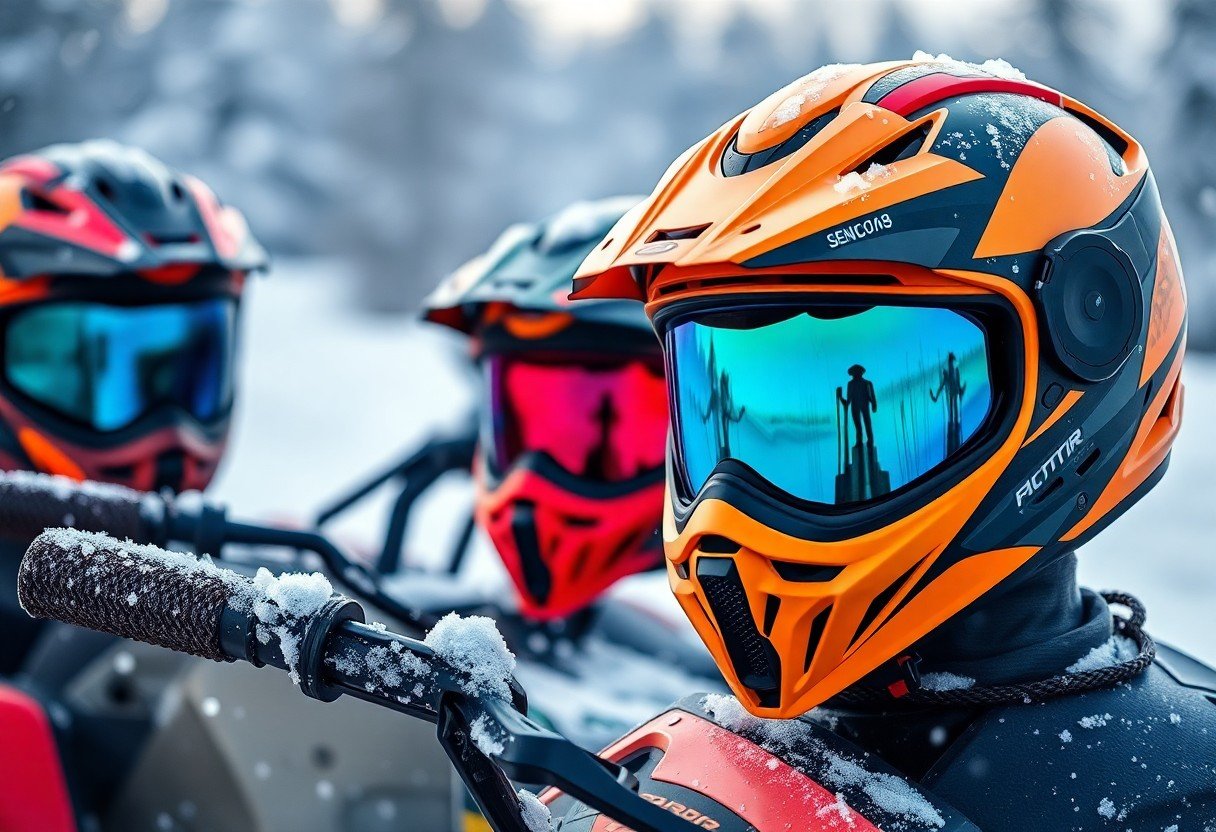
Pros and Cons of Different Helmet Types
Now, understanding the pros and cons of various helmet types can help you make a well-informed choice for cold weather riding. Below is a breakdown of some common helmet styles:
| Helmet Type | Pros & Cons |
|---|---|
| Full-Face Helmet | Best protection; warm; reduced noise |
| Open-Face Helmet | Better airflow; lighter; increased visibility |
| Modular Helmet | Versatile; can convert to open-face; good balance |
| Half Helmet | Comfortable; lightweight; easy to wear |
| ATV-Optimized Helmet | Enhanced features for riding; designed for cold |
Advantages of Full-Face Helmets
While full-face helmets provide unparalleled protection against impacts and harsh weather, they excel in cold conditions by insulating your head and face from biting winds. Their design significantly reduces noise, allowing you to focus on your ride without distractions, and many models include breathable liners for added comfort.
Disadvantages of Open-Face Helmets
Types of open-face helmets come with trade-offs that you should consider. These helmets offer less protection compared to full-face options, especially for your chin and jaw, which can leave you more vulnerable during accidents. Additionally, while you may enjoy better airflow, this can lead to increased exposure to cold temperatures, potentially leaving you chilly during your rides.
For instance, if you’re riding in frigid conditions, the lack of coverage on your face can quickly become uncomfortable, making it difficult to enjoy your time outdoors. Open-face helmets also tend to be noisier, as wind blasts your ears, which can strain your awareness of the surroundings. While they may provide comfort and versatility, they compromise on protection in ways you may not be ready to accept for cold-weather riding.
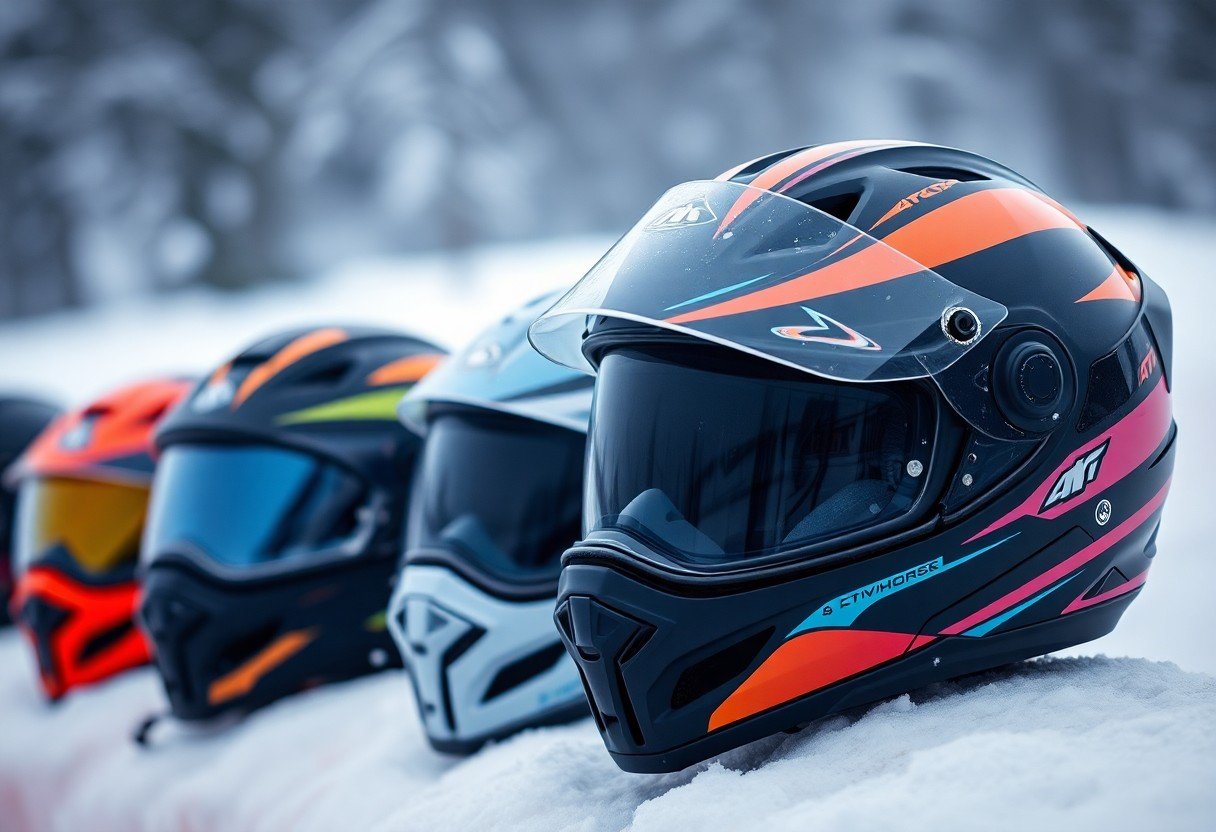
Maintenance Tips for Cold Weather Helmets
Not maintaining your helmet properly during cold weather can lead to decreased performance and safety. Follow these crucial maintenance tips:
- Inspect for damage after every ride.
- Clean the visor regularly to ensure visibility.
- Check insulation materials for wear and tear.
- Store your helmet in a dry, warm place.
Thou shall keep your helmet in top shape for maximum protection and comfort.
Cleaning and Care
Some of the best practices for cleaning your helmet include using mild soap and water. Avoid harsh chemicals that can degrade the materials. Regularly remove any buildup of dirt or moisture, especially around the pads and liner, to prolong the life of your helmet and ensure a snug fit.
Storage Recommendations
Maintenance of your helmet extends to how you store it. Proper storage can prevent unnecessary wear and help maintain its integrity.
Weather can impact your helmet significantly if not stored correctly. Always keep your helmet in a cool, dry place away from direct sunlight and extreme temperatures, as these conditions can damage the materials. Using a helmet bag provides added protection against dust and impacts. Additionally, avoid hanging your helmet by the strap, as this can warp its shape over time.
Conclusion
Now that you’re equipped with the knowledge of the best ATV helmets for cold weather riding, you can make an informed choice that ensures your comfort and safety on those chilly trails. Selecting the right helmet will enhance your riding experience while protecting you from the elements. For more recommendations, check out the Best ATV Helmets of 2025 to find the perfect fit for your needs.
FAQ
Q: What features should I look for in an ATV helmet for cold weather riding?
A: When identifying an ATV helmet for cold weather, look for insulation properties, a snug fit to keep warmth in, and a full-face design to protect against the elements. Additionally, consider features like a breath guard to minimize fogging, anti-fog visors, and removable liners for easy cleaning and moisture control.
Q: Are full-face helmets better than open-face helmets for cold weather ATV riding?
A: Yes, full-face helmets are generally better for cold weather riding as they provide complete coverage for your head, face, and neck, offering better insulation and wind protection. Open-face helmets expose more skin to the cold, making them less suitable for chilly conditions.
Q: How do I prevent my helmet from fogging up in cold weather?
A: To prevent fogging, choose helmets with anti-fog visors and use a breath guard. Additionally, maintaining airflow by slightly cracking open the visor can help. You can also apply anti-fog sprays or wipes designed specifically for helmet visors.
Q: Can I use my regular snowmobile helmet for ATV riding in cold weather?
A: Yes, a snowmobile helmet can be suitable for ATV riding as these helmets are designed for cold conditions and often have similar features. However, ensure it fits properly, provides good visibility, and is compatible with ATV gear requirements, such as goggles.
Q: What size helmet should I purchase for cold weather ATV riding?
A: The size of the helmet is crucial for comfort and effectiveness. Measure your head circumference just above the ears and consult the manufacturer’s sizing chart. A proper fit should be snug without being uncomfortable, allowing for warmth and protection from the cold.
Q: Are there any specific brands known for producing high-quality ATV helmets for cold weather?
A: Yes, several brands are recognized for their quality cold-weather ATV helmets, including Fox Racing, Bell, HJC, and Klim. It’s advisable to read reviews and check for features tailored for winter riding when selecting a brand.
Q: How should I care for my ATV helmet to ensure its effectiveness in cold weather riding?
A: Regular maintenance is key. Clean the exterior and visor with mild soap and water, and never use harsh chemicals. Remove and wash the inner liner as recommended by the manufacturer to keep it fresh and free of moisture accumulation. Store it in a cool, dry place and avoid exposing it to extreme temperatures when not in use.
Leave a Reply