
Over time, you may face some common issues with your ATV that can hinder your riding experience. Whether it’s a dead battery, low tire pressure, or an engine that won’t start, you can more easily tackle these challenges with the right knowledge. In this post, we’ll guide you through easy fixes for these problems, keeping your ATV in top shape, ensuring your safety and enhancing your enjoyment on the trails. Let’s probe these practical solutions that can put you back on the road in no time!
Understanding Common ATV Issues
To effectively maintain your ATV, it’s imperative to be aware of common issues that may arise during its use. From engine troubles to handling issues, recognizing these problems early can save you time and money. Understanding the symptoms associated with these issues allows you to take timely action and ensure a more enjoyable ride. By familiarizing yourself with these common ATV issues, you’ll be better equipped to manage maintenance and troubleshooting when necessary.
Identifying Symptoms of Common Problems
Common symptoms of ATV problems can range from strange noises to difficulty starting. If you notice any abnormal sounds, erratic handling, or warnings from your dashboard, it’s vital to address these symptoms promptly. Observing these indicators can help you pinpoint potential issues and facilitate quicker repairs, ultimately ensuring your safety and the longevity of your ATV.
Key Factors to Consider Before Troubleshooting
Understanding the landscape of ATV maintenance involves several key factors. Considerations such as the age of the ATV, operating conditions, and maintenance history are important when troubleshooting issues. Additionally, knowing the symptoms can provide valuable insight into the problem you are facing, including:
- Engine performance
- Fuel type
- Maintenance schedule
- Weather conditions
Knowing these factors can guide you toward an effective solution.
Problems with your ATV can arise from various factors, which makes understanding them even more critical. When troubleshooting, take into account specific details that might affect your ATV’s performance. This might include whether the tires are appropriately inflated, the fluid levels are adequate, and there are no visible leaks. Think also about the type of terrain you usually ride on and how it may contribute to wear and tear, including:
- Terrain type
- Ride intensity
- Usage frequency
Knowing these aspects can help prevent more significant issues in the long run.
How-to Tips for Engine Problems
There’s nothing more frustrating than encountering engine problems with your ATV. To troubleshoot effectively, keep in mind these key areas:
- check your fuel levels
- inspect the oil quality
- examine the air filter
- test the battery and electrical connections
- listen for any unusual noises while operating
The right approach can lead to quick resolutions.
Checking Fuel System Issues
On a malfunctioning ATV, you should start by checking your fuel system. Look for any signs of clogs in the fuel line, and make sure your fuel filter is clean. Verify that you are using the correct type of fuel and that it hasn’t expired. Fuel system problems can cause poor performance and starting difficulties.
Addressing Electrical Troubles
Any electrical issues can severely impact your ATV’s performance. Start by ensuring that your battery connections are tight and free from corrosion. Inspect the ignition system and wiring harness for any visible damage. If your ATV won’t start or has malfunctioning lights, these areas are often the culprits.
Understanding your ATV’s electrical system can vastly improve your troubleshooting skills. Familiarizing yourself with the battery, fuse box, and wiring layout will empower you to quickly identify issues. Often, a simple issue like a blown fuse or a loose connection can lead to significant problems. Always prioritize safety by disconnecting the battery when you’re working on electrical components to avoid any shocks or accidents.
How-to Tips for Suspension and Tire Troubles
It’s necessary to address any suspension and tire issues promptly to ensure a smooth ride and maintain vehicle safety. Regular checks can save you from further complications. Here are quick tips for you to consider:
- Check for signs of dirt and debris around suspension components.
- Inspect tire tread for uneven wear.
- Ensure shocks and struts are functioning properly.
- Monitor tire pressure regularly.
Knowing how to identify and troubleshoot these issues can keep your ATV in top condition.
Inspecting Suspension Components
With regular inspections of your ATV’s suspension components, you can identify problems early. Focus on checking the shock absorbers and linkage arms for any wear and replace them if necessary. Look out for any signs of leaks or physical damage, as a faulty suspension can lead to reduced performance and compromised safety.
Resolving Tire Pressure Issues
Assuming your ATV tires are well-inflated is a mistake you want to avoid. Checking your tire pressure regularly ensures stability and proper traction on various terrains. Incorrect tire pressure can lead to increased wear or potential accidents.
A proper tire pressure plays a significant role in your ATV’s handling and performance. Maintaining adequate pressure prevents blowouts and ensures maximum grip on the road. On the other hand, under-inflated tires can cause unnecessary strain on other components, resulting in more serious problems. Always keep a reliable gauge handy to check your tire pressure before hitting the trails and ensure each tire is inflated to the manufacturer’s specifications.
How-to Fix Brake Noises and Problems
All ATV owners may eventually face brake noises or problems. First, determine the source of the noise, which can often be a sign of worn parts or improper alignment. Regular maintenance goes a long way in ensuring your brakes function properly. For further insights, check out 8 Common ATV Maintenance Issues and How to Fix Them.
Diagnosing Brake Wear and Tear
One effective way to diagnose brake wear and tear is to perform a visual inspection. Look for signs of cracks in the brake pads, grooves in the rotors, or uneven wear patterns. If you notice any of these issues, it’s necessary to address them promptly to avoid further damage and maintain optimal performance.
Tips for Adjusting and Replacing Brakes
With the right tips for adjusting and replacing brakes, you can enhance your ATV’s performance. Start by checking the brake fluid level, and ensure the pads are aligned correctly. When replacing, follow these guidelines:
- Check for wear on pads and rotors
- Adjust brake cables for optimal tension
- Use quality replacement parts only
This will contribute significantly to your safety while riding.
Understanding brake adjustments and replacements empowers you to maintain your ATV effectively. Proper adjustment should ensure even pressure distribution, while replacing worn components can enhance braking performance. Here are some more suggestions:
- Regularly inspect brake components for wear
- Keep the brake fluid clean and topped up
- Consider a professional service if unsure
This proactive approach will help you avoid costly repairs and ensure a safer ride.
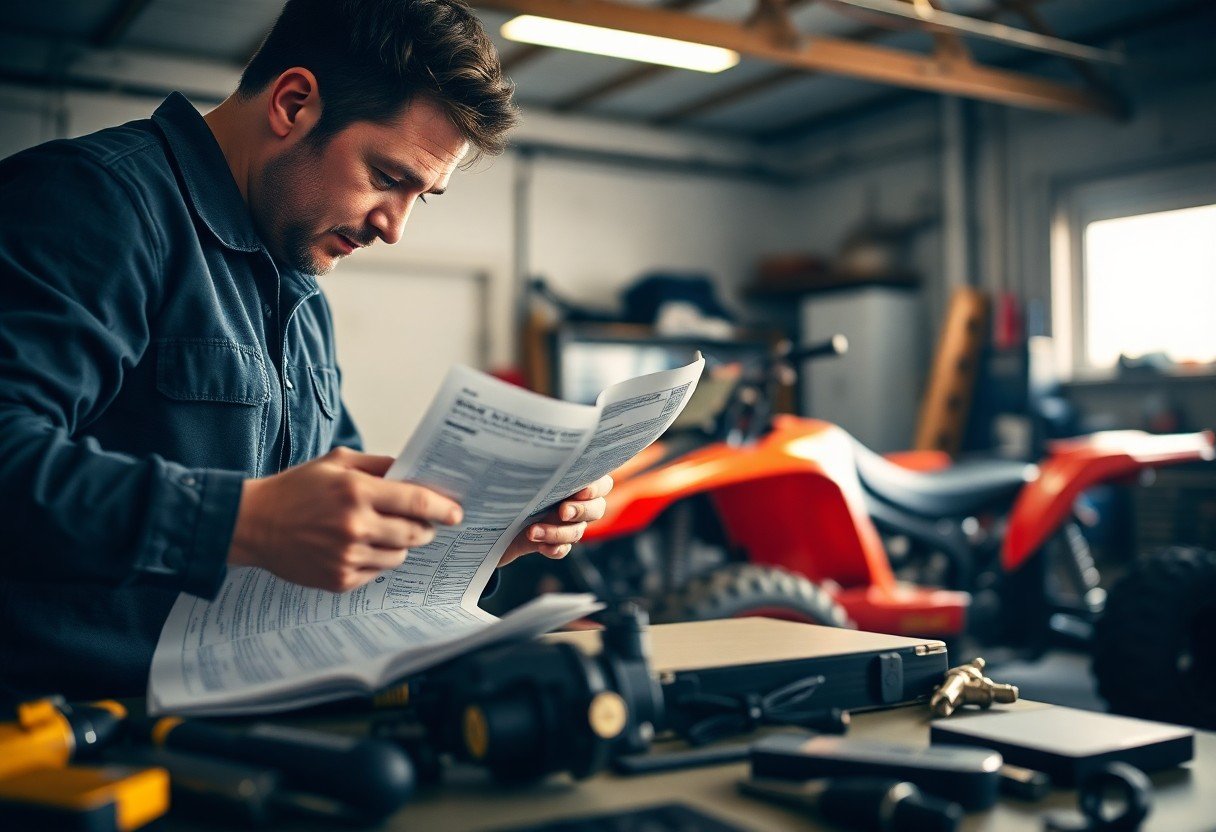
How-to Maintain Your ATV for Longevity
Unlike many vehicles, your ATV requires a specific maintenance routine to ensure its performance and lifespan. By consistently caring for your ride, you can not only enhance its durability but also ensure a safer and more enjoyable experience on the trails. Make it a habit to inspect and service your ATV regularly to avoid major issues down the road.
Regular Maintenance Tips
Regular maintenance is vital for keeping your ATV in top shape. Follow these key steps:
- Check and change your oil regularly.
- Inspect tires for wear and proper pressure.
- Clean or replace the air filter as needed.
- Lubricate moving parts to prevent rust.
- Examine the brakes for functionality.
This routine will help you enjoy many more rides without issue.
Seasonal Preparation Guidelines
Clearly, preparing your ATV for each season is necessary for optimal performance. Start by performing a thorough inspection before hitting the trails. Take time to check all vital components like the battery, fuel system, and tires. Address any wear or damage, and ensure that your ATV is adequately cleaned to prevent corrosion. You should also adjust your maintenance routine based on whether you’re riding in winter or summer, as different conditions can affect your machine.
Maintenance goes beyond just repairing issues; it’s about preventive care to avoid major breakdowns. As you prepare for seasonal changes, don’t forget to store your ATV in a dry, temperature-controlled area to protect it from the elements. Performing these necessary checks will result in better performance, reduced repairs, and overall happier rides throughout the year.
When to Seek Professional Help
After trying to troubleshoot common ATV issues, you may find yourself needing extra assistance. If you’re facing persistent problems or are unsure about the repairs, it’s best to consult a professional mechanic. For more detailed information, check the ATV Repair & Troubleshooting Guide – Anderson Powersports. They possess the expertise and tools necessary to ensure your ATV is in safe working condition.
Recognizing When Repairs Are Beyond DIY
Recognizing when your ATV problems surpass your skill level is vital for safety and effectiveness. If you experience issues like engine failure, persistent electrical malfunctions, or complex mechanical troubles, it’s a sign that you should seek professional help. Attempting to fix advanced issues without adequate knowledge can lead to more damage or safety risks.
Tips for Choosing a Mechanic
To find the right mechanic for your ATV, consider the following tips:
- Look for a mechanic with extensive experience in ATV repairs.
- Check reviews and references to ensure customer satisfaction.
- Inquire about warranties on repairs to feel secure about quality workmanship.
After gathering this information, trust your instincts when selecting a mechanic.
Mechanic selection can significantly impact your ATV’s performance. When you have a few potential candidates, consider visiting their shop to assess their professionalism and organization. Ask to see certifications that indicate their training in ATV repair and talk to them about their repair process. Good communication can reveal their level of expertise. You want someone who listens to your concerns and provides clear explanations.
- Verify their licensing and insurance for protection.
- Ask if they specialize in specific brands or types of ATVs to ensure relevant knowledge.
- Discuss estimated repair costs upfront to avoid surprises.
After completing your research, you’ll feel confident choosing the right mechanic for your ATV needs.
Summing up
On the whole, equipping yourself with quick how-to fixes for common ATV issues can enhance your riding experience and save you time and money. By familiarizing yourself with basic troubleshooting techniques, you’ll be better prepared to tackle problems like battery failures, flat tires, and engine troubles. This knowledge empowers you to handle minor repairs efficiently, ensuring you can get back on the trails with minimal downtime. Always prioritize safety and maintenance to prolong the lifespan of your ATV and enjoy your adventures to the fullest.
Leave a Reply